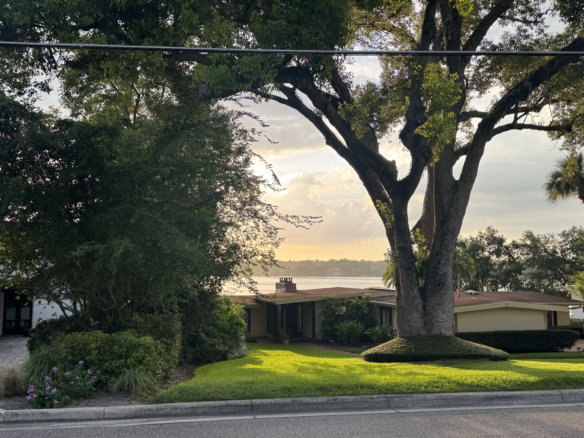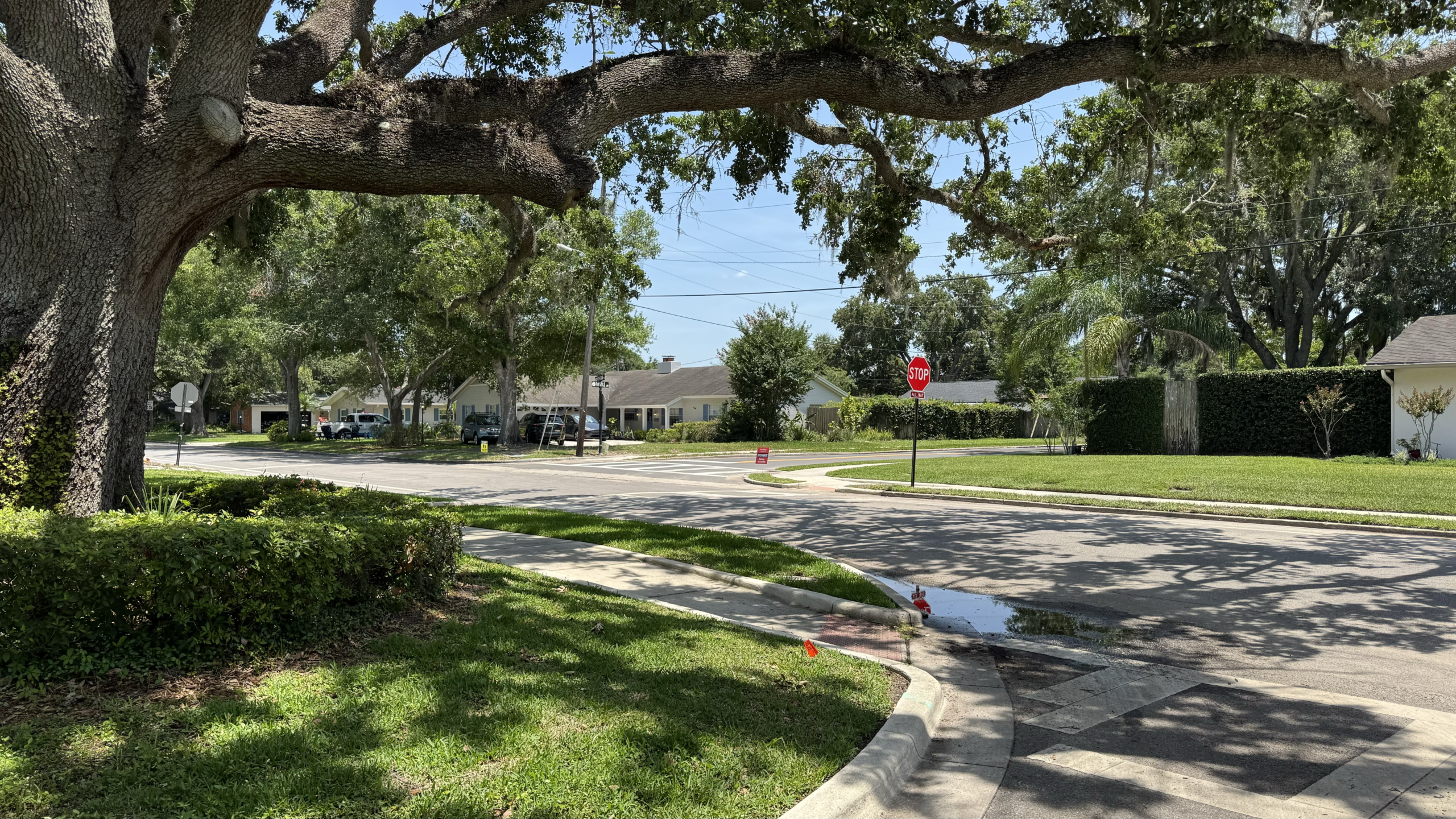
The neighborhoods this site covers were largely built between the 1950s and 1970s, which means most buyers here are buying a mid-century home — sometimes lovingly preserved, sometimes renovated beyond recognition, often somewhere in between. The good ones are extraordinary: solid construction, real lots, mature trees, and locations that can’t be reproduced. Buying one well just requires knowing where six decades actually show up.
Where the age lives
Four systems tell you most of what you need to know:
- Roof. Florida insurers care about roof age more than almost anything. Know the age and material, and get the permit date, not the seller’s memory.
- Electrical. Original panels and, in some late-’60s/’70s homes, aluminum branch wiring draw insurer and inspector attention. Panel upgrades are common and documentable; ask for the permit.
- Plumbing. Galvanized steel or cast-iron drain lines from the era may be original, partially replaced, or fully re-piped. A sewer-line camera inspection is cheap relative to what it can find.
- HVAC and ductwork. Systems are replaceable; undersized or deteriorated ductwork in older slab homes is the sneakier cost.
None of these are reasons to walk away — they’re reasons to price, negotiate, and plan accurately.
The insurance reality
For homes 40+ years old, most Florida insurers require a 4-point inspection (roof, electrical, plumbing, HVAC) before binding coverage. Separately, a wind mitigation inspection can earn meaningful premium credits for features like roof-to-wall connections and opening protection — many renovated mid-century homes qualify for more credit than their owners realize. Build both inspections into your timeline and budget; do not leave insurance to the week before closing.
Renovated vs. original: pricing the difference
In neighborhoods like Dommerich Estates and Kings Row, an original-condition home, a cosmetic update, and a full gut renovation can share a street. The market prices those very differently — and listing photos blur the distinction. Renovation depth (systems, not surfaces) is what matters: a home with new plumbing, panel, roof, and windows behind a dated kitchen is often a better buy than a staged one with sixty-year-old bones.
Local insight: Ask for the permit history on any renovated home. In the no-HOA parts of the Dommerich community, renovation quality varies more than in covenant-controlled communities — permits and contractor documentation separate the true renovations from the flips.
The payoff
Mid-century Central Florida homes sit on lots and under canopies that no new construction gets. Bought with eyes open — systems inspected, insurance planned, renovation depth priced — they’re some of the most durable value in the region. If you’re looking in the Dommerich community, Erin can walk you through specific homes’ histories — she’s been in most of them.
Erin Baker, REALTOR® · Fannie Hillman + Associates · 407-719-0030